Ops done by Edward Saywell's crew
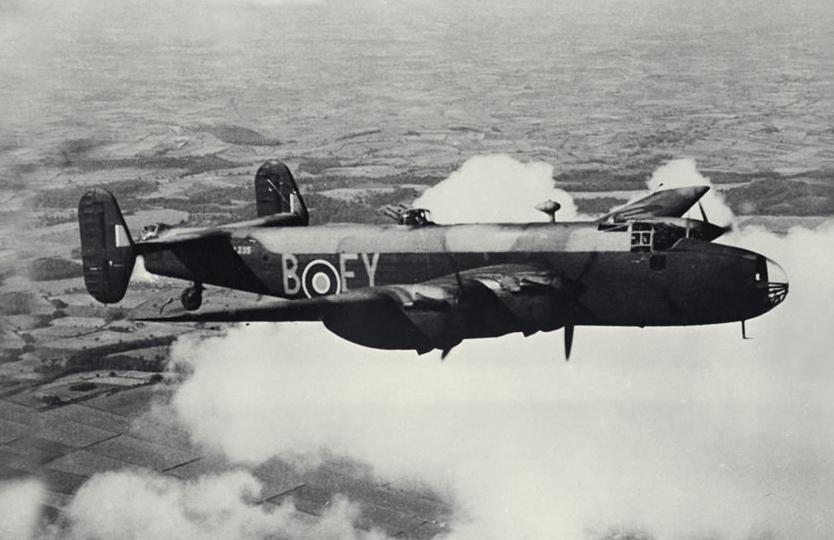
I have looked at all the pages that were sent to me by Ron Wisson's grandson Dave that were taken from Edward Saywell's log book.
They are not all in order of date, so it took some time to compile the list I now have, but as far as I can tell, his normal 'Ops Crew' would have included my Great Unlce Joe.
For now the write up's are taken from the Bomber Command web site diary.
I can not speak for how accurate they are, but there is something I have already figured out.
F/S Saywell's crew did fourteen missions between the 8th March 1943 and July 19th 1943. From the information below during those fouteen operations, bomber command lost 309 aircraft at least, possibly more!
From everything I have read, Uncle Joe basically started missions at the beginning of the 'Battle of the Ruhr'. He and Saywell's crew were on almost all of these bombing missions. Some of the accounts tell of successes, many don't.. many tell of failure's to bomb the specific target etc.. still, the men of bomber command kept going back as they were ordered.
I have just obtained Four books: The Battle of the Ruhr by Alan Cooper, Tail Gunner by Richard Rivaz, War Diary of RAF Pocklington (WDRAFP) by Mike Usherwood, and The Hardest Victory by Denis Richards. All four of these books have information on these raids that I will be adding in the coming weeks as I read the books.
The text you see like this is what Edward Saywell wrote in his log book about each raid. It starts with the type of plane, then the serial No. of the plane, where the raid was and then info on the raid.. sometimes it has the amount of bombs they dropped, and I gather that this must have been in lbs.
8/9 March 1943
Halifax W1934 Ops. Nuremburg, bombed 13,000lbs
Nuremberg: 335 aircraft - 170 Lancasters, 103 Halifaxes, 62 Stirlings .
8 aircraft - 4 Stirlings, 2 Halifaxes, 2 Lancasters - lost, 2.4 per cent of the force.
This distant raid had to be marked by a combination of H2S and visual means. The Pathfinders had no moon to help them and, although there was no cloud, they found that haze prevented accurate visual identification of the target area. The result was that both marking and bombing spread over more than 10 miles along the line of the attack, with more than half of the bombs falling outside the city boundaries. This result would be typical of raids carried out beyond the range of Oboe during this period.

12/13 March 1943
Halifax W7935 Ops. Essen, bombed 15,000lbs
Essen. 457 aircraft - 158 Wellingtons, 156 Lancasters, 91 Halifaxes, 42 Stirlings, 10 Mosquitos in another very successful Oboe-marked raid.
23 aircraft - 8 Lancasters, 7 Halifaxes, 6 Wellingtons, 2 Stirlings lost, 5.0 per cent of the force.
The centre of the bombing area was right across the giant Krupps factory, just west of the city centre, with later bombing drifting back to the north-western outskirts. Photographic interpretation assessed that Krupps received 30 per cent more damage on this night than on the earlier successful raid of 5/6 March.
26/27 March 1943
Halifax DT743 Ops, Duisberg, Navigator injured, landed Cotishall
Duisburg: 455 aircraft - 173 Wellingtons, 157 Lancasters, 114 Halifaxes, 9 Mosquitos, 2 Stirlings.
6 aircraft - 3 Wellingtons, 1 Halifax, 1 Lancaster, 1 Mosquito - lost, 1.3 per cent of the force.
According to WDRAFP, Saywell landed his halifax at Cotishall so that Sgt Moore could go to hospital for the injuries he received on this mission.
The Mosquito lost was the first Oboe Mosquito casualty. A message was received from the pilot, Flight Lieutenant LJ Ackland, that he was having to ditch in the North Sea. His body was never found but his navigator, Warrant Officer FS Sprouts, is believed to have survived. This raid was one of the few failures of this series of attacks on Ruhr targets. It was a cloudy night and, for once, accurate Oboe sky-marking was lacking because 5 Oboe Mosquitos were forced to return early with technical difficulties and a sixth was lost. The result was a widely scattered raid.
April
NOTE: Edward Saywell’s log book say that they bombed Dortmund on the night of the 4th April, but there is no mention of this raid anywhere on bomber commands web site. There are two raids around that time and I believe that it may have been the first one on Essen, as other articles suggest there was more than one target that night.
3/4 April 1943
Halifax Ops. Dortmund, bombed 19500.
Essen - 348 aircraft - 225 Lancasters, 113 Halifaxes, 10 Mosquitos; this was the first raid in which more than 200 Lancasters had taken part.
12 Halifaxes and 9 Lancasters lost - 6.0 per cent of the force - and 2 further Halifaxes crashed in England.
The weather forecast was not entirely favourable for this raid and the Pathfinders prepared a plan both for skymarking and ground-marking the target and the Main Force crews were somewhat confused to find two kinds of marking taking place. The resultant bombing, however, was accurate and a higher proportion of aircraft produced good bombing photographs than on any of the earlier successful raids on Essen. Local reports showed that there was widespread damage in the centre and in the western half of Essen.
14/15 April 1943
Halifax W7935 Ops Stuttgart, followed by fighters, bombed 12000lbs
Stuttgart: 462 aircraft - 146 Wellingtons, 135 Halifaxes, 98 Lancasters, 83 Stirlings.
23 aircraft - 8 Stirlings, 8 Wellingtons, 4 Halifaxes, 3 Lancasters - lost, 5.0 per cent of the force
The Pathfinders claimed to have marked the centre of this normally difficult target accurately but the main bombing area developed to the north-east, along the line of approach of the bombing force. This was an example of the 'creepback', a feature of large raids which occurred when Main Force crews - and some Pathfinder backers-up - failed to press through to the centre of the marking area but bombed - or re-marked - the earliest markers visible. Bomber Command was never able to eliminate the creepback tendency and much bombing fell outside city areas because of it.
.
16/17 April 1943
Halifax W7935 Ops Pilsen, Landed Harwell, 6000lbs
327 aircraft - 197 Lancasters and 130 Halifaxes dispatched to bomb the Skoda armaments factory at Pilsen in Czechoslovakia.
18 Lancasters and 18 Halifaxes lost, 11.0 per cent of the force.
This is the raid that S/L Wally Lashbrook and his crew got shot down on.
One Canadian squadron, No 408, lost 4 of its 12 Halifaxes dispatched. This raid, took place by the light of a full moon but was not a success. In a complicated plan, the Main Force was ordered to confirm the position of the Skoda factory visually; the Pathfinder markers were only intended as a general guide. In the event, a large asylum building 7 miles away was mistaken for the factory and only 6 crews brought back bombing photographs which were within 3 miles of the real target. The Skoda factory was not hit. One report says that 200 German soldiers were killed when their barracks near the asylum was bombed.
20/21 April 1943
Halifax W7935 Ops Stettin landed Melbourne, low level over Denmark 200’, bombed 12000lbs
Stettin: 339 aircraft - 194 Lancasters, 134 Halifaxes, 11 Stirlings.
21 aircraft - 13 Lancasters, 7 Halifaxes, 1 Stirling - lost, 6.2 per cent of the force.
This raid, on a target more than 600 miles from England, proved to be the most successful attack beyond the range of Oboe during the Battle of the Ruhr. Visibility was good and the Pathfinder marking was carried out perfectly. 24 fires were still burning when a photographic reconnaissance aircraft flew over Stettin a day and a half later.
On this day W/C H.R. Coventry took command of 102 Squadron.
26/27 April 1943
Halifax W7935 Ops Duisberg bombed 12000, A/C hit by flack over target, severe icing, frozen controls - landed Cotishall
Duisburg. 561 aircraft - 215 Lancasters, 135 Wellingtons, 119 Halifaxes, 78 Stirlings, 14 Mosquitos.
17 aircraft - 7 Halifaxes, 5 Wellingtons, 3 Lancasters, 2 Stirlings - lost, 3.0 per cent of the force.
This heavy raid was a partial failure. The Pathfinders claimed to have marked the target accurately but daylight reconnaissance showed that most of the bombing had fallen to the north-east of Duisburg; the Main Force may have bombed too early or they may have been lured by early fires short of the target. However, Duisburg had more than 300 buildings destroyed and a death roll of between 130 and 207 (reports vary). 4 of the Mosquitos taking part in this raid were from No 2 Group; they bombed Duisburg 3 hours after the main raid, then dived hard and flew back to England at low level. Bombs hit 6 other towns in the Ruhr.
30 April/1 May 1943
Halifax Ops Essen DNCO
Essen: 305 aircraft - 190 Lancasters, 105 Halifaxes, 10 Mosquitos.
6 Halifaxes and 6 Lancasters lost, 3.9 per cent of the force.
According to WDRAFP, 3 planes from 102 Sqdn returned early, one due to a hatch blowing off, and two because of low oil pressure, so I guess Ted's crew weren't the only ones to DNCO?
Cloud was expected over the target so a Pathfinder technique based solely on Oboe Mosquito skymarkers was planned. This was not expected to give such good results as ground-marking but the plan worked well and 238 crews reported that they had bombed Essen. Because of the cloud, no bombing photographs were produced. The Krupps factory was hit again.
May 1943
12/13 May 1943
Halifax Ops Duisberg, bombed 19500
Duisburg: 572 aircraft - 238 Lancasters, 142 Halifaxes, 112 Wellingtons, 70 Stirlings, 10 Mosquitos.
34 aircraft - 10 Lancasters, 10 Wellingtons, 9 Halifaxes, 5 Stirlings - lost, 5.9 per cent of the force.
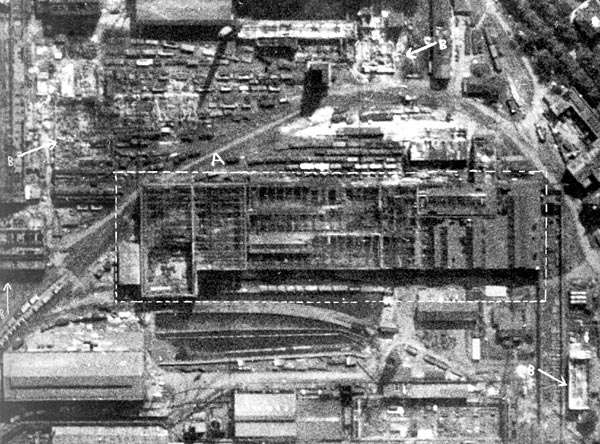
This was the fourth raid on the city so far during the Battle of the Ruhr, the first 3 raids having been only partially successful. The Pathfinder marking on this night, however, was near perfect and the Main Force bombing was particularly well concentrated. The centre of Duisburg and the port area just off the River Rhine, the largest inland port in Germany, suffered severe damage.
23/24 May 1943
Halifax BB383 Ops Dortmund, crew short of oxygen over Holland, 19500lbs. Engineer collapsed, turned back – jettisoned bombs over Dutch coast
Dortmund: After a 9-day break in major operations, Bomber Command dispatched 826 aircraft to Dortmund - a record number of aircraft in a 'non-1,000' raid so far in the war and the largest raid of the Battle of the Ruhr.
The force comprised: 343 Lancasters, 199 Halifaxes, 151 Wellingtons, 120 Stirlings and 13 Mosquitos.
38 aircraft - 18 Halifaxes, 8 Lancasters, 6 Stirlings, 6 Wellingtons - were lost, 4.6 per cent of the force.
According to WDRAFP, two planes returned due to oxygen failure and generator not charging.
The Pathfinders marked the target accurately in clear weather conditions and the ensuing attack proceeded according to plan. It was a very successful raid. Many industrial premises were hit, particularly the large Hoesch steelworks, which ceased production. Dortmund was not attacked in strength again by Bomber Command until exactly 1 year after this raid.
25/26 May 1943
Halifax BB383 Ops Dusseldorf – bombed 17500lbs
Düsseldorf: 759 aircraft - 323 Lancasters, 169 Halifaxes, 142 Wellingtons, 113 Stirlings, 12 Mosquitos.
27 aircraft - 9 Lancasters, 8 Stirlings, 6 Wellingtons, 4 Halifaxes - lost, 3.6 per cent of the force.
This raid was a failure. There were two layers of cloud over the target and the Pathfinders experienced great difficulty in marking it. It is believed that the Germans were also operating decoy markers and fire sites. The result was that the Main Force bombing was scattered over a wide area.
June
11/12 June 1943
Halifax BB383 Ops Dusseldorf – bombed A/C holed by flack
Düsseldorf: 783 aircraft - 326 Lancasters, 202 Halifaxes, 143 Wellingtons, 99 Stirlings, 13 Mosquitos.
38 aircraft - 14 Lancasters, 12 Halifaxes, 10 Wellingtons, 2 Stirlings - lost, 4.9 per cent of the force.
The Pathfinder marking plan proceeded excellently until an Oboe Mosquito inadvertently released a load of target indicators 14 miles north-east of the target area. This caused part of the Main Force to waste its bombs on open country. But the main bombing caused extensive damage in the centre of Düsseldorf, where 130 acres were claimed as destroyed, and this proved to be the most damaging raid of the war for this city. According to WDRAFP, smoke rose to 14,000 and could be seen as far off as the Dutch coast.
12/13 June 1943
Halifax BB383 Ops Bochum – bombed 22000lbs. A/C holed by flack
Bochum: 503 aircraft - 323 Lancasters, 167 Halifaxes, 11 Mosquitos.
14 Lancasters and 10 Halifaxes lost, 4.8 per cent of the force.
This raid took place over a completely cloud-covered target but accurate Oboe skymarking enabled the all Lancaster/Halifax Main Force to cause severe damage to the centre of Bochum. .
19/20 June 1943
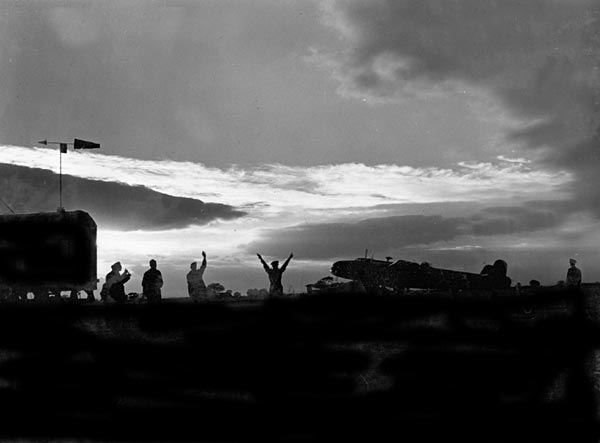
Halifax BB383 Ops Le Creusot – bombed 4500lbs – two runs over target to recognise aiming point. Special Recco.
290 aircraft - 181 Halifaxes, 107 Stirlings, 2 Lancasters - to bomb the Schneider armaments factory and the Breuil steelworks at Le Creusot.
The tactics for this raid were that the Pathfinders would only drop flares and that each crew of the Main Force was to identify their part of the target by the light of these flares.
The Main Force crews were then to make 2 runs over the target area, dropping a short stick of bombs on each run from altitudes between 5,000 and 10,000ft.
By this stage of the war, however, Main Force crews were used to bombing target indicators and many had difficulty in making a visual identification of their target. Lingering smoke from the large number of flares was blamed for most of the difficulty.
Bombing photographs showed that all crews bombed within 3 miles of the centre of the target but only about one fifth managed to hit the factories. Many bombs fell on nearby residential property but no report could be obtained from France to give details of casualties.
2 Halifaxes lost.